 Reviews!
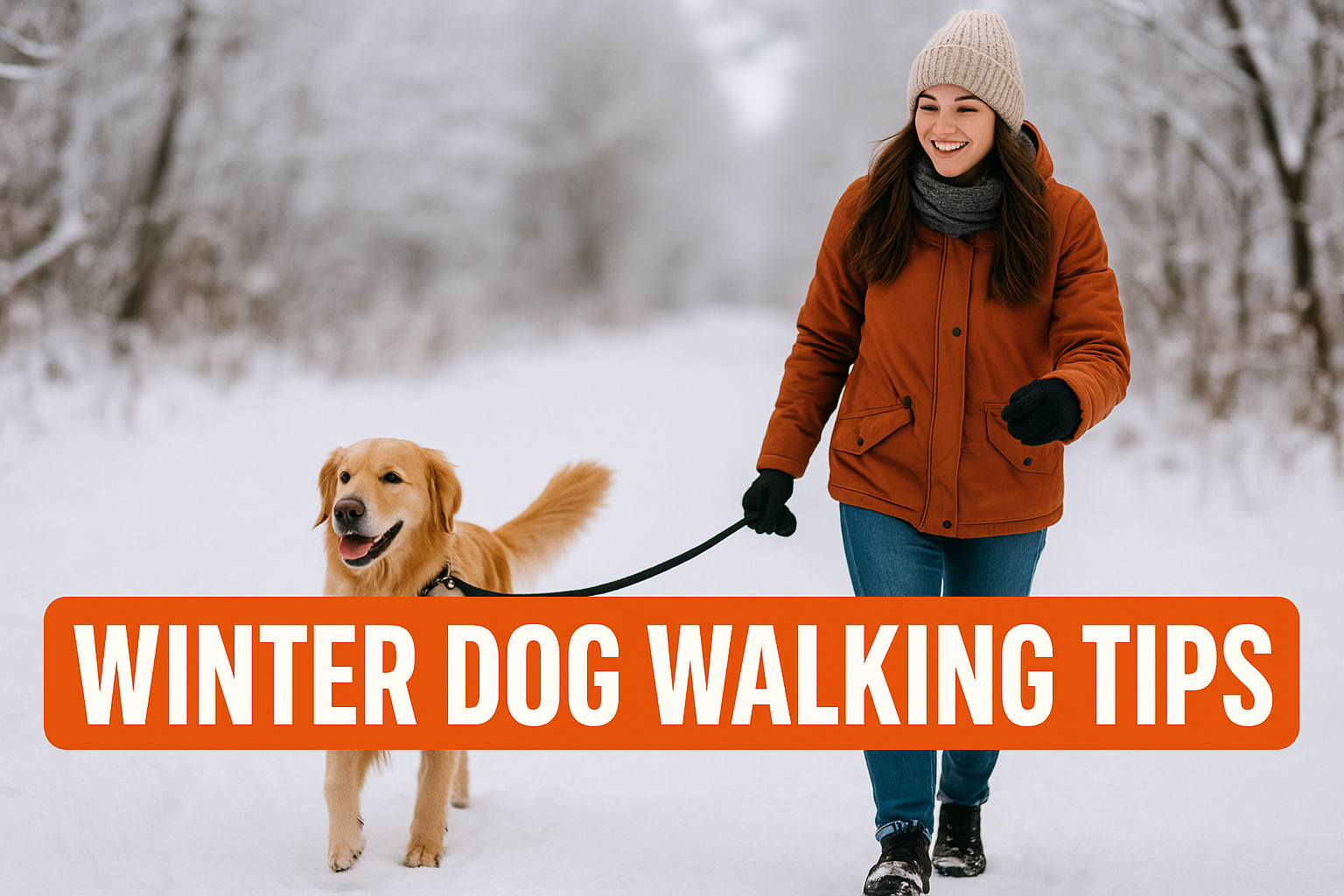
Winter in the Inland Northwest brings chilly temperatures, icy sidewalks, snow-covered trails, and shorter days making your daily dog walks a bit more challenging. But with the right preparation, winter walks can still be safe, enjoyable, and great exercise for your pup.
Whether you live in Spokane, WA, Post Falls, ID or somewhere else here are the top winter dog walking tips to keep your dog comfortable, healthy, and protected throughout the colder months.
🧣 1. Dress Your Dog for the Weather
Not all dogs need clothing, but many benefit from a little extra warmth—especially short‑coated breeds, seniors, or small dogs.
Consider:
- A waterproof dog jacket or vest
- A fleece layer for extra warmth
- A reflective vest for low‑light visibility
Bundle them just enough to stay warm without restricting movement.
❄️ 2. Protect Their Paws from Ice, Salt & Snow
Sidewalk salt, de-icers, and jagged ice can irritate or injure your dog’s paws. Spokane and Post Falls often use road treatments in winter, so it’s important to take precautions.
Tips for paw safety:
- Use dog booties to protect from salt and freezing surfaces
- Apply paw balm before walks to create a protective barrier
- Wipe paws after walks to remove chemicals and snow buildup
Cracked or irritated paws are common in winter—daily protection goes a long way.
🌧️ 3. Shorten Walks on Extremely Cold Days
When the temperatures drop into the teens or lower shorter, more frequent walks can be safer for your dog.
Watch for signs of cold stress:
- Lifting paws off the ground
- Shivering
- Slowing down suddenly
- Whining or resistance to walking
If your dog seems uncomfortable, it’s okay to keep it short and spend more playtime indoors.
🌫️ 4. Increase Visibility with Reflective Gear
Winter brings darker mornings and evenings, and visibility becomes a huge safety factor.
Use reflective or LED gear for:
- Collars
- Harnesses
- Leashes
- Coats
- Your own clothing
Cars, cyclists, and joggers will see you far sooner—keeping you both safer.
🐕 5. Choose Safe Walking Routes
Snowbanks, icy steps, and unplowed streets can be hazardous.
Safer walking routes include:
- Maintained sidewalks
- Cleared neighborhood paths
- Parks or trails that are plowed in winter
- Well-lit areas during dark hours
Avoid steep hills and uneven ground when possible.
🥶 6. Know When It’s Too Cold for Certain Breeds
Some dogs handle cold well, like Huskies or Malamutes. Others like Chihuahuas, Boxers, or any senior pet may struggle even at mild winter temps.
Factors to consider:
- Age
- Coat length and density
- Breed
- Size
- Health conditions
Modify walk lengths based on your dog’s tolerance.
🧊 7. Stay Alert Around Frozen Water
Riverbanks, small ponds, and neighborhood lakes may look solid, but ice thickness can be unpredictable.
Keep your dog on a leash near:
- The Spokane River
- Liberty Lake
- Park ponds
- Community drainage areas
Never allow dogs to walk on ice unless it is officially approved for safety.
🐾 8. Add Indoor Enrichment on Harsh Weather Days
Some winter days are simply too icy or cold for a long walk. In those cases, supplement with indoor activities:
- Treat puzzles
- Snuffle mats
- Tug-of-war
- Fetch in a hallway
- Nose‑work scent games
- Stair exercises (if safe)
This helps burn energy and reduce restlessness without braving dangerous weather.
❤️ Keep Your Dog Safe All Winter Long
Winter in Spokane and Post Falls can be beautiful—but it also brings unique challenges for dog owners. With the right preparation and safety habits, your dog can still enjoy fresh air, exercise, and enrichment throughout the season.
If you need help keeping your pup active this winter, Spokane’s Best Sitter offers professional dog walking services tailored to your dog’s needs—even on cold, snowy days.
Leave a Reply